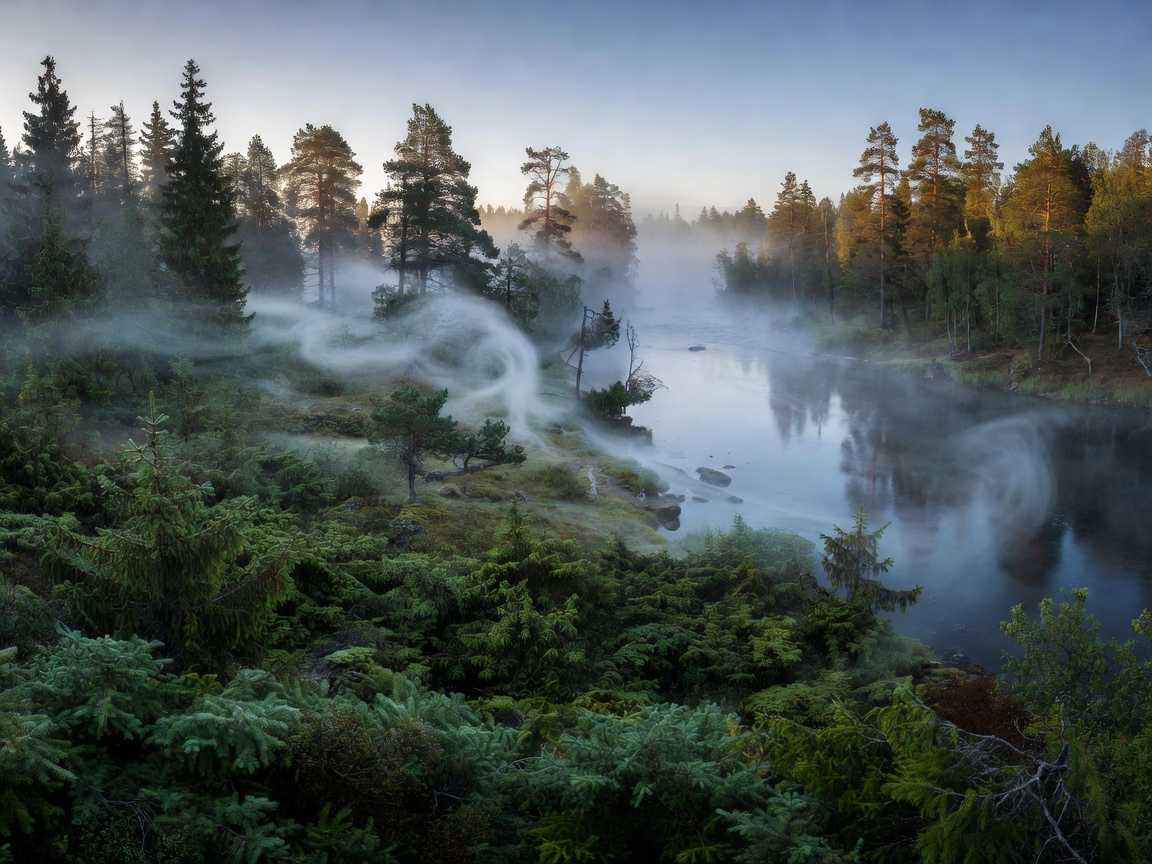
The Glomma corridor functions as an indispensable continuous ecological highway through central Scandinavian forests.
Ichthyological Diversity: Norway’s Most Species-Rich Basin
In contrast to western Norwegian rivers, which are generally steep, oligotrophic, and dominated exclusively by Atlantic salmon (Salmo salar) and brown trout (Salmo trutta), the Glomma supports Norway’s most biodiverse freshwater fish assemblage. Approximately 35 fish species have been catalogued within the basin, reflecting its eastern post-glacial colonization history from the Baltic and Ancylus Lake drainage systems.
Fish distribution within the river adheres to clear longitudinal and thermal zonation:
- Upper Rhithron (Røros to Alvdal): Cold, oxygen-saturated water dominated by European grayling (Thymallus thymallus) and river brown trout. Grayling populations in this sector are celebrated across Northern Europe for their density and pristine genetics.
- Potamon Transition (Elverum to Kongsvinger): As current decelerates and summer temperatures rise, northern pike (Esox lucius), European perch (Perca fluviatilis), and burbot (Lota lota) establish substantial populations alongside whitefish (Coregonus lavaretus).
- Lake Øyeren and Lower Potamon: Here, true cyprinid diversity reaches its zenith in Norway. Species include bream (Abramis brama), ide (Leuciscus idus), roach (Rutilus rutilus), asp (Aspius aspius), and the elusive zander (Sander lucioperca).
 Species Profile
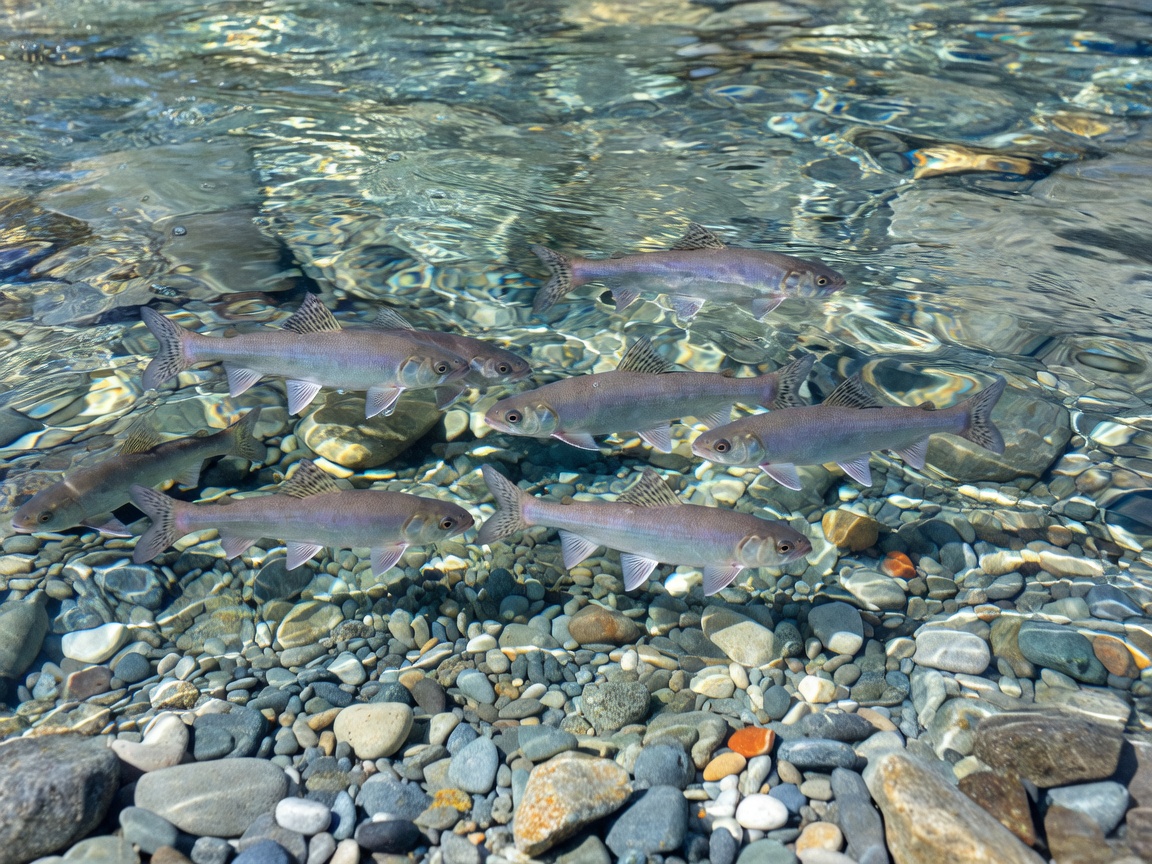
The European Grayling (Thymallus thymallus)
Recognizable by its magnificent iridescent dorsal fin, the grayling thrives in Glomma’s riffles and gravel bars. Feeding on caddisfly larvae, mayflies, and stoneflies, it represents the primary indicator of upper basin ecological health.
Avian Sanctuary: The Nordre Øyeren Delta
The delta formed where Glomma spills into Lake Øyeren is recognized internationally under the Ramsar Convention. Over 270 bird species have been recorded within this wetland complex, making it one of southern Norway’s crucial staging and breeding stations.
During the spring and autumn migration cycles, tens of thousands of waterfowl rely on the delta's shallow mudflats for nutrient replenishment. Whooper swans (Cygnus cygnus), bean geese (Anser fabalis), and large flocks of Eurasian wigeon (Mareca penelope) feed along the flooded meadows. Wading birds, including ruffs, dunlins, and green sandpipers, forage along exposed mud spits created by fluctuating reservoir hydro levels.
Riparian Mammals and the Boreal Forest Continuum
The uninterrupted forest fringe accompanying the Glomma across Innlandet serves as a travel corridor for large terrestrial mammals. Eurasian elk (moose, Alces alces) winter extensively along the riverbanks, where thickets of birch, goat willow, and aspen provide essential browsing when deep mountain snow covers the higher plateaus.
The Eurasian beaver (Castor fiber) has mounted an extraordinary recovery along the Glomma following near-extirpation in the 19th century. Today, beaver lodges and felled alder trees are common sights along slow-moving side channels from Tolga down to Skarnes. The beaver's engineering creates vital deadwood complexes and vernal breeding pools for amphibians, including the common frog (Rana temporaria) and smooth newt (Lissotriton vulgaris).
Fish Species Distribution Matrix
| Species | Upper Basin (Røros–Koppang) | Middle Basin (Elverum–Årnes) | Lower Basin & Lake Øyeren | Water Flow Preference |
|---|---|---|---|---|
| European Grayling | Dominant / Very High | Present in fast runs | Rare / Absent | Lotic (Fast to Moderate) |
| Brown Trout | High (Native & Lake-run) | Moderate | Localized near rapids | Lotic (Cool, high oxygen) |
| Northern Pike | Localized in backwaters | Abundant in side sloughs | Dominant apex predator | Lentic (Weedy shallows) |
| Zander (Pikeperch) | Absent | Absent | Common / Established | Turbid lake & slow river |
| Asp (Cyprinid) | Absent | Rare | Vulnerable / Protected | Deep flowing water |
Ecological Pressures and Conservation Challenges
While the upper reaches of the Glomma maintain near-natural water quality, the river faces compounded human pressures as it journeys southward. The most profound ecological alteration stems from river regulation: numerous hydroelectric dams break river connectivity, impeding the seasonal spawning runs of potamodromous trout and the endangered predatory fish, the asp.
Agricultural runoff in the lower reaches introduces nitrates and phosphorus, provoking localized eutrophication in sheltered bays during hot summers. In response, regional catchment management boards composed of municipal leaders and environmental agencies have enacted stricter buffer-zone forestry laws, built fish passage bypasses at key barrages, and enforced catch-and-release fly fishing corridors on popular sport sections.