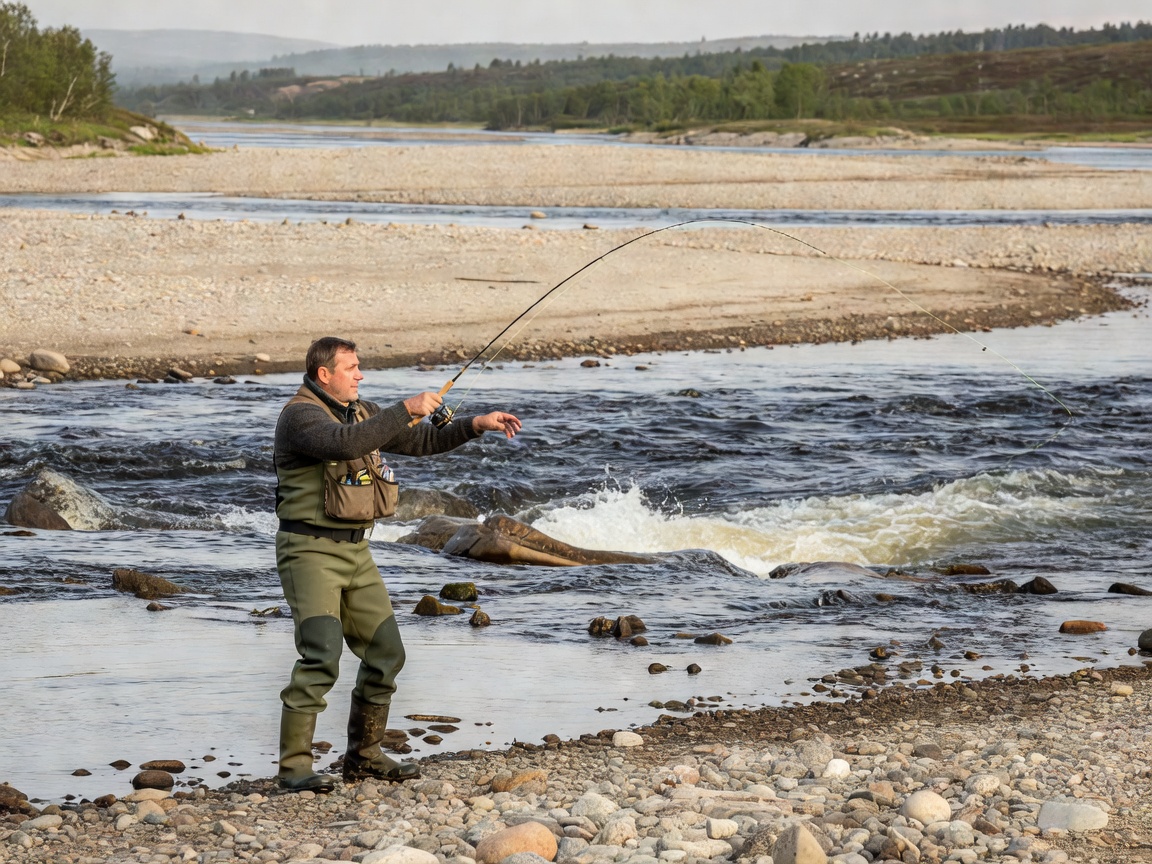
The upper Glomma near Tolga and Os offers some of the most accessible and celebrated dry-fly fishing in Northern Europe.
Planning a Glomma River Expedition
Traversing the Glomma from source to sea offers travelers an unvarnished cross-section of Norwegian geography and culture. Traveling the full length can be accomplished by vehicle along Route 3 and Route 30 through Østerdalen, or experienced piecemeal through regional rail links along the Røros Line (Rørosbanen) and Kongsvinger Line.
Whether targeting trophy grayling on dry flies, kayaking tranquil oxbows in Lake Øyeren, or hiking through centuries-old pine taiga, successful navigation requires an understanding of distinct sector conditions, seasons, and local licensing mandates.
Field Sectors: Character and Highlights
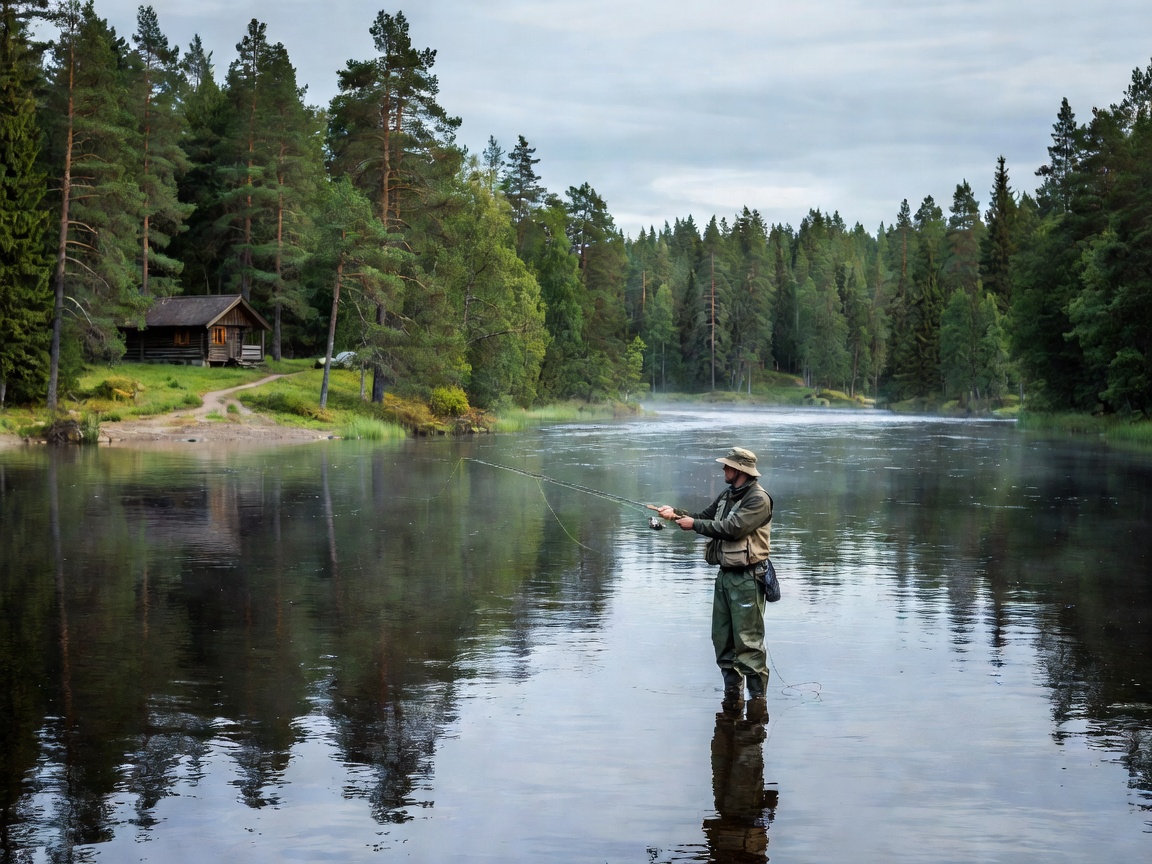 Angling Sector
The Kvennan Fly Fishing Zone
A world-renowned 15-kilometre managed stretch featuring dedicated fly-only zones, strict catch-and-release bag regulations, and stable gravel wading flats renowned for prolific late-summer grayling hatches.
Sector 1: The Sub-Alpine Upper Reach (Røros to Alvdal)
This is cold, crystalline water framed by dwarf birch and open moorland. Wading is generally safe on gravel shoals, but fast drop-offs demand studded wading boots and a wading staff. Summer insect life is dense: massive hatches of Baetis rhodani mayflies and caddisflies (specifically Rhyacophila and Brachycentrus) occur throughout July and August. In addition to angling, visitors can explore the UNESCO World Heritage wooden copper mining settlement of Røros.
Sector 2: Middle Taiga & Forests (Koppang to Rena)
Around Koppang and Rena, the Glomma expands into broad braided channels punctuated by wooded islands. This sector is famous for mixed angling: large river-dwelling pike inhabit the slack weed margins, while hefty brown trout and grayling hunt the edges of mid-stream gravel bars. Canoe touring is popular here; designated wild camping shelters (gapahuk) line several shoreline reaches under the Norwegian Right to Roam (Allemannsretten).
Sector 3: The Fortress Belt & Deltas (Kongsvinger to Lake Øyeren)
Here, the river adopts a tranquil, winding temperament. Wading gives way to small motorboats and drift canoes. Birdwatchers converge on the Nordre Øyeren nature reserve during migration periods. Photographers flock to Kongsvinger Fortress for panoramic sunrise views overlooking the mist hanging over the sweeping river bend.
Sector 4: Estuary & Fortified Coast (Sarpsborg to Fredrikstad)
The river concludes its journey with tremendous industrial and naval history. Explore the thunderous roar of Sarpsfossen before walking the cobblestone alleys and moat fortifications of Gamlebyen in Fredrikstad, where the Glomma merges into the brackish marine waters of the Oslofjord.
Angling Licenses and Field Regulations
Unlike sea fishing in Norway, which is generally free for handlines and rods, freshwater fishing in the Glomma requires local permits. There is no single universal license for the entire river; rather, licenses are sold for distinct municipality or landowner association boundaries.
- Purchasing Permits: Permits are acquired digitally via national portals such as Inatur.no or locally at designated sport shops, petrol stations, and river camps.
- Catch Limits: Upper reaches frequently operate maximum-size limits (window slots) and strict fly-only catch-and-release rules to protect trophy broodstock. Always inspect sector boards prior to casting.
- Disinfection Protocols: To protect Norwegian rivers against the lethal parasite Gyrodactylus salaris, anglers arriving with gear from outside Norway must have waders, nets, and tackle dried thoroughly or chemically disinfected before entering the water.
Equipment and Timing Matrix
| Activity | Prime Months | Recommended Gear | Field Cautions |
|---|---|---|---|
| Dry Fly (Grayling/Trout) | July – September | 9ft #4 or #5 rod, 4X–6X tippet, CDC caddis, klinkhamers | Sub-surface boulders can be extremely slick |
| Pike & Perch Luring | June & September | Heavy spinning rod or 9ft #9 fly rod, wire traces, large streamers | Submerged timber snags and rapid current shifts |
| Canoe & Kayak Touring | Late June – August | Touring canoe, dry bags, waterproof map, safety buoyancy aid | Never attempt to bypass hydro dam warning buoys |
| Birding & Photography | May & Late August | 400mm+ telephoto lens, tripod, spotting scope, hide netting | Strict stay-off rules on delta nesting islets in spring |
Ethical Wilderness Principles
While the Norwegian Outdoor Recreation Act (Allemannsretten) guarantees public access to uncultivated land, it demands deep respect for nature. Campers must position tents at least 150 metres from inhabited houses or cabins. Open campfires in or near woodland are legally prohibited from April 15 to September 15 unless situated at approved, concrete fire pits. Pack out every scrap of refuse, avoid disturbing nesting waterfowl, and respect agricultural livestock gates along lower river pastures.